
June 20, 2026 · 9 min read
أنظمة استجابة الجمهور موضّحة: كيف تعمل وتكلفتها وأفضل الخيارات في 2026
ما نظام استجابة الجمهور؟ كيف يعمل، ماذا يكلف، وأيّه المناسب لفصلك أو مؤتمرك أو فعالية شركتك؟ دليل صادق للسوق.
نظام استجابة الجمهور (ARS) يتيح لمجموعة الإجابة على سؤال في نفس الوقت ورؤية نتائج مجمّعة في الوقت الفعلي. النسخة الكلاسيكية كانت أزرارًا hardware - جهاز تحكم بلاستيك يُوزَّع في قاعات المحاضرات. النسخة الحديثة تبويب متصفح على هاتف أي شخص. إليك كيف تطورت التقنية، كيف تعمل اليوم، ماذا تكلف، وكيف تختار الأداة المناسبة لفصلك أو مؤتمرك أو فعالية شركتك.
Tip
لا تحتاج أن تكون تقنيًا لمتابعة هذا الدليل. كل خطوة تستخدم أزرارًا بسيطة في PollsLive - دون برمجة ودون تثبيت تطبيق لجمهورك.
تاريخ موجز: من الأزرار إلى المتصفحات
أزرار hardware (iClicker، TurningPoint) سيطرت على الجامعات من التسعينيات حتى 2010s. كلفت 50-100 دولار للوحدة، تحتاج شحنًا، تتعطل، وتخلق صداع توزيع في قاعات 300 مقعد. الهواتف الذكية استبدلت hardware مخصصًا حوالي 2012-2015. اليوم Kahoot وMentimeter وSlido وPollsLive كلها أنظمة استجابة جمهور - تُسلَّم عبر متصفح بدل أجهزة بلاستيكية.
كيف يعمل ARS حديث
التدفق نفسه عبر كل أداة حديثة. المقدّم يبني سؤالًا. المشاركون ينضمون عبر URL أو PIN أو QR على هاتفهم. الجميع يجيب معًا. النتائج تتجمع على شاشة المقدّم في ثوانٍ.
أنشئ سؤالًا
اختر نوعًا - اختيار من متعدد، مقياس، نص مفتوح، سؤال وجواب، اختبار - واكتب المطالبة في محرر ويب.
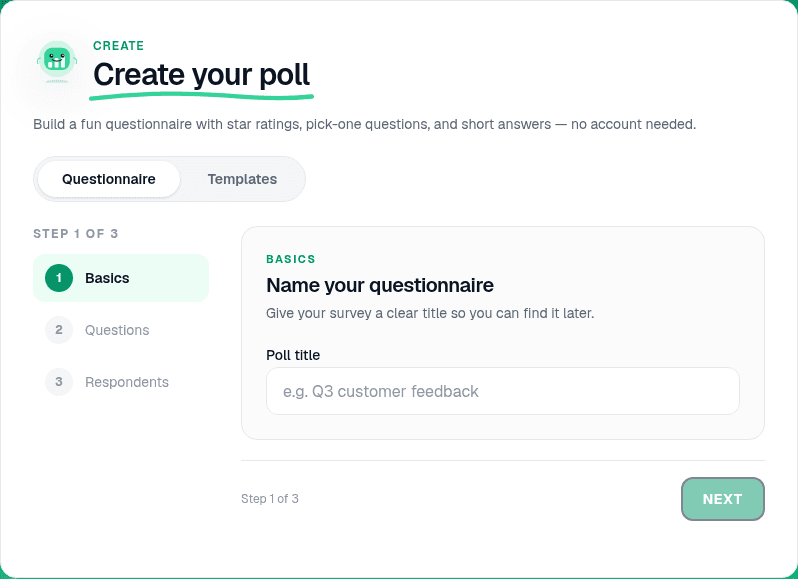
شارك رمز انضمام
قدّم مباشرة لعرض PIN وQR، أو انشر رابطًا دائمًا للجمع غير المتزامن.
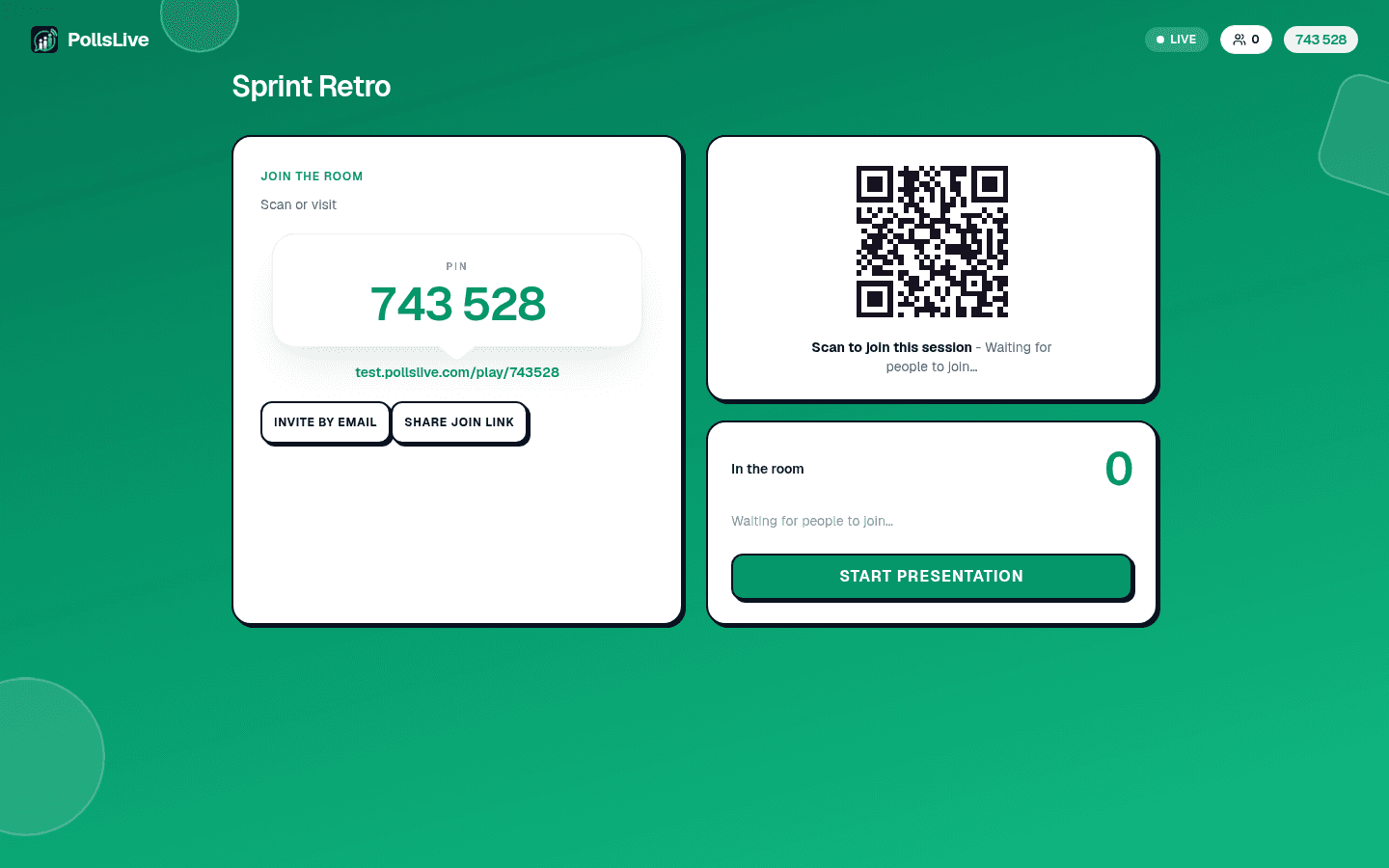
اجمع الإجابات
المشاركون يصوّتون من أي متصفح. دون تثبيت تطبيق، دون حساب في معظم الأدوات.
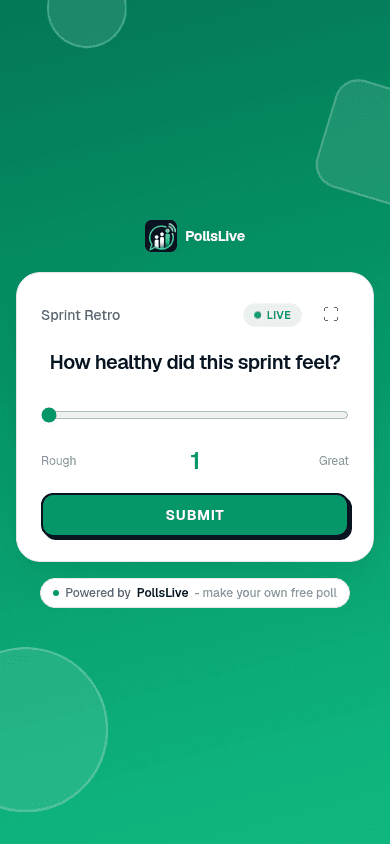
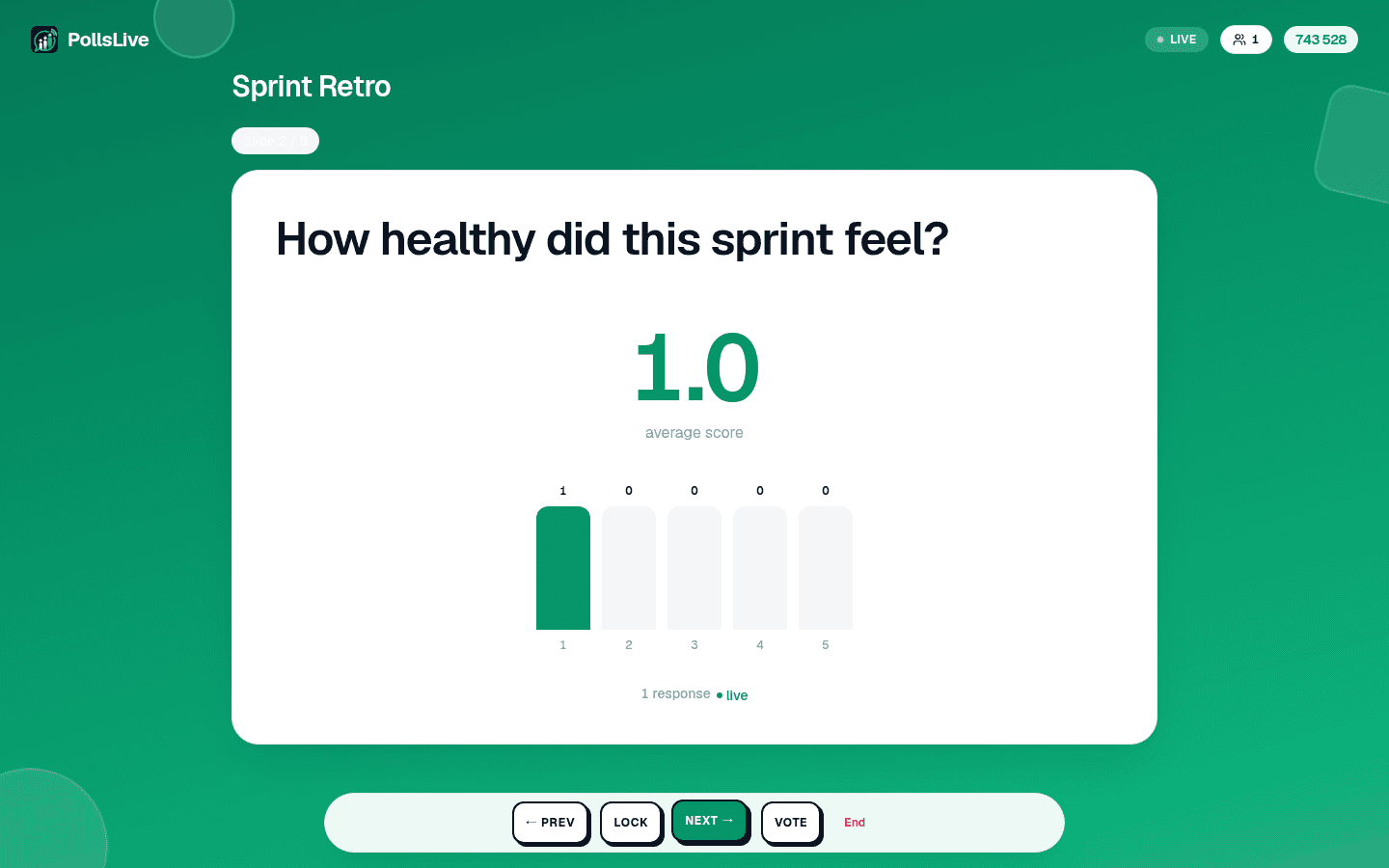
شاهد النتائج مباشرة
الرسوم البيانية وسحب الكلمات ولوحات المتصدرين تُحدَّث مع وصول الإجابات.
كيف ينضم أعضاء جمهورك اليوم؟
حالات استخدام شائعة
- محاضرات جامعية - فحوصات معرفة منتصف المحاضرة، تذاكر خروج، سؤال وجواب مجهول
- all-hands مؤسسي - فحوصات نبض، أسئلة مجهولة، تصويت جدول أعمال
- مؤتمرات وفعاليات - كاسرات جليد، ملاحظات جلسة، استطلاع تفضيلات الجمهور
- تدريب وورش عمل - فحوصات تعلم، أسئلة سيناريو، قرارات جماعية
- رتروسبكتيفات الفريق - مشاعر مجهولة، ترتيب أولويات
- عروض مبيعات - استطلاعات تشخيصية قبل العرض
أزرار hardware مقابل ARS قائم على المتصفح
- أزرار hardware: موثوقة بلا Wi-Fi. دون BYOD مطلوب. التكلفة: 50-100 دولار لكل جهاز زائد الترخيص. اللوجستيات والشحن والسرقة والتوزيع هي الحاجز. سوق متراجع.
- قائم على المتصفح: يعمل على أي جهاز. تكلفة دخول منخفضة. دون عبء توزيع. يتطلب Wi-Fi أو خلوي. سائد اليوم.
Tip
في قاعة 300 مقعد، اختبر Wi-Fi المكان قبل الجلسة. معظم الإخفاقات اتصال، ليس الأداة نفسها.
اختيار ARS المناسب في 2026
- محاضرة جامعية (100-500 طالب): Wooclap (مستوى مجاني سخي) أو PollsLive (رابط غير متزامن لمراجعة ما بعد المحاضرة)
- all-hands مؤسسي (50-500 موظف): PollsLive أو Slido - كلاهما يقدم سؤال وجواب مجهول مع تصويت إيجابي
- فصل K-12: Kahoot (طاقة لعب) أو PollsLive (دون حسابات طلاب) - راجع تطبيقات اختبار الفصل
- مؤتمر كبير (500-5000 حاضر): Slido (لوجستيات مؤسسات) أو Pigeonhole (متخصص مؤتمرات)
- واعٍ بالميزانية / خصوصية EU: PollsLive - مستضاف EU، Pro مسطح 4.17 دولار/شهر سنويًا مع تجربة 21 يومًا
ما تقيّمه قبل الشراء
- احتكاك المشارك - الأفضل: افتح URL، اكتب PIN، صوّت (2-3 نقرات)
- أنواع الأسئلة - الاختيار من متعدد أساسي؛ سحابة الكلمات وسؤال وجواب يفصلان الأدوات
- تصدير وتحليلات - هل يمكنك تنزيل CSV للمتابعة؟
- إقامة البيانات - FERPA للمدارس الأمريكية، GDPR لشركات EU
- عمق التكامل - إضافة Slides، API، webhooks
- نموذج التسعير - ضريبة مقعد لكل مقدّم مقابل سعر مسطح لمساحة العمل
Note
PollsLive Pro يتضمن تصدير CSV وPDF من لوحة النتائج - مفيد عندما يغذي ARS تقريرًا ربع سنويًا، ليس اجتماعًا واحدًا فقط.
شاهده في جلسة حقيقية
مديرة هندسة تفتح مزامنة أسبوعية بفحص حرارة عشر ثوانٍ. المتوسط يخبرها هل تقضي أول خمس دقائق على العوائق أم تتابع:
كيف يسير السبرنت حتى الآن؟ (1 = مشتعل، 5 = سلس)
هذه هي نقطة ARS كلها: مدخلات متزامنة مجهولة تغيّر ما تفعله بعدها. للمقارنات أداة بأداة، راجع بديل Mentimeter، بديل Kahoot، بديل Slido، أو مركز المقارنة.
شغّل استطلاعًا مباشرًا الآن - دون تسجيل ودون تطبيق لجمهورك.
أنشئ استطلاعًا مجانيًا